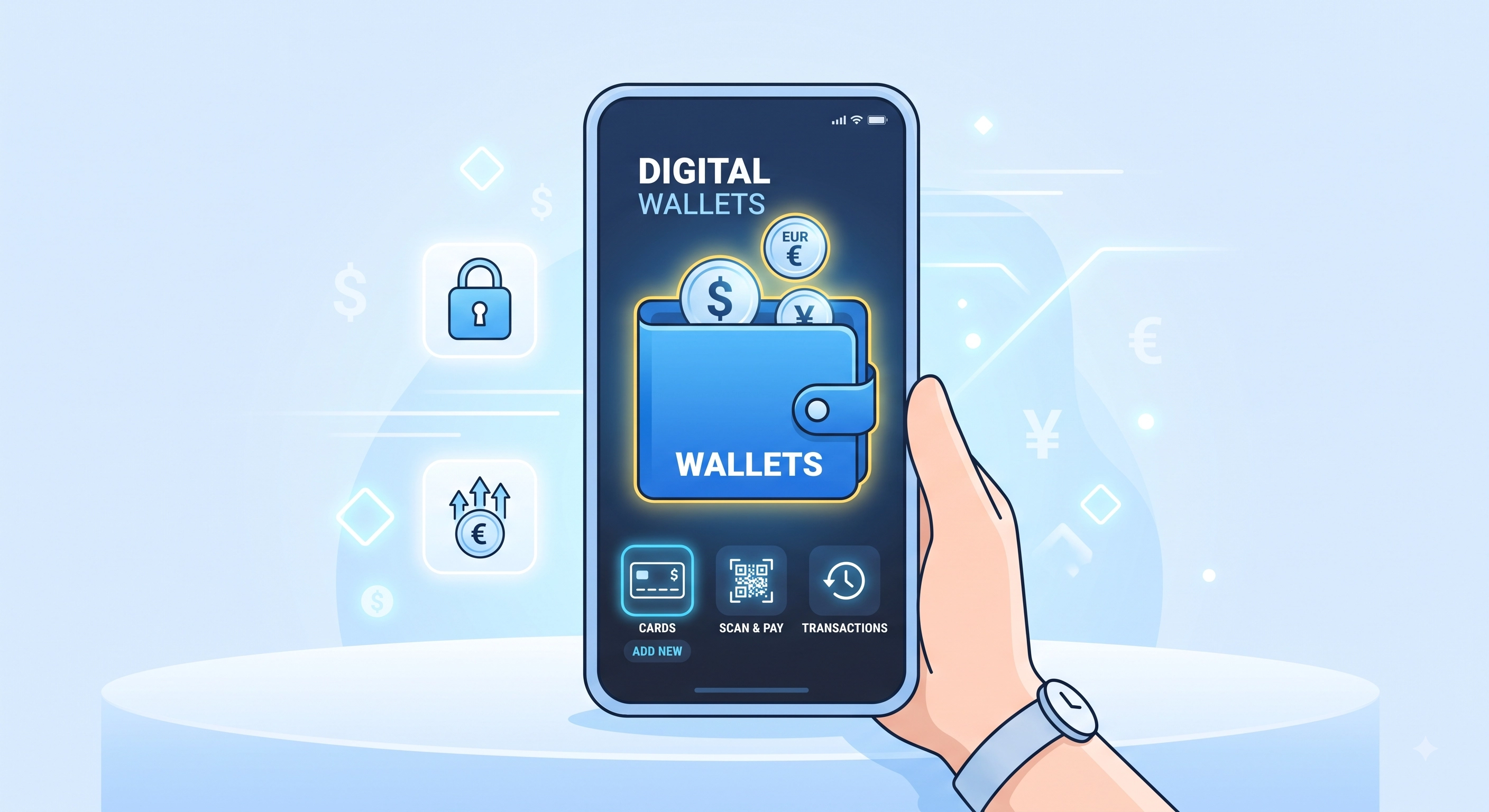
The Rise of Digital Wallets: Your Pocket-Sized Financial Powerhouse
Remember when your physical wallet was stuffed with cards, cash, and receipts? For many, that's fast becoming a relic of the past. Digital wallets, or e-wallets, are rapidly transforming how we manage our money and make payments, offering an unparalleled blend of convenience and security right from our smartphones or smartwatches.
What Exactly is a Digital Wallet?
At its core, a digital wallet is a software-based system that securely stores your payment information (credit cards, debit cards, loyalty cards, even digital IDs) on a mobile device. Instead of swiping a physical card, you simply tap or hold your device near a compatible payment terminal to complete a transaction. It's not just about payments; many digital wallets also manage passes, tickets, and more.
How Do They Work Their Magic?
The technology behind digital wallets is quite sophisticated, yet user-friendly:
- Near Field Communication (NFC): This is the primary technology enabling contactless payments. When you tap your device, NFC allows for short-range communication between your phone and the payment terminal, transmitting your encrypted payment data.
- Tokenization: Security is paramount. When you add a card to your digital wallet, the actual card number isn't stored or transmitted during a transaction. Instead, a unique, encrypted "token" is created. This token acts as a placeholder for your card details, meaning that even if intercepted, the token is useless to a fraudster.
- Biometric Authentication: Most digital wallets require you to authenticate each transaction with a fingerprint, face scan, or PIN, adding an extra layer of security that a physical card often lacks.
The Unbeatable Benefits
Why are so many people embracing digital wallets?
- Unmatched Convenience: Leave your bulky wallet at home. Your phone is likely always with you, making payments quicker and hassle-free.
- Enhanced Security: With tokenization and biometric authentication, digital wallets are often more secure than traditional cards. If your phone is lost or stolen, your payment information remains protected.
- Streamlined Loyalty & Rewards: Many digital wallets can store your loyalty cards, automatically applying points or discounts at checkout.
- Reduced Clutter: Say goodbye to a wallet overflowing with cards and crumpled receipts.
- Global Acceptance: Major digital wallets like Apple Pay and Google Pay are accepted worldwide wherever contactless payments are supported.
Popular Digital Wallet Options
You're probably familiar with some of these:
- Apple Pay: Seamlessly integrated into Apple devices (iPhone, Apple Watch).
- Google Pay: Available on Android devices and accessible across Google services.
- Samsung Pay: Offers broader compatibility with older terminals using Magnetic Secure Transmission (MST) in addition to NFC, though MST is becoming less common.
- Local Banking Apps & Fintech Solutions: Many banks and financial institutions offer their own digital wallet functionalities or integrate with major platforms.
Getting Started: Setting Up Your Digital Wallet
It's surprisingly easy:
- Open the wallet app on your smartphone (e.g., Apple Wallet, Google Wallet).
- Tap "Add Card" or a similar option.
- Scan your credit/debit card or manually enter its details.
- Follow the prompts to verify your card with your bank.
- Once verified, your card is ready for use!
Key Takeaways
- Digital wallets securely store payment information on mobile devices, enabling contactless payments.
- They utilize technologies like NFC and tokenization for speed and security.
- Benefits include convenience, enhanced security through biometrics and tokenization, and better organization of loyalty programs.
- Setting one up is straightforward and generally takes just a few minutes.
- As technology evolves, digital wallets are becoming an indispensable tool for modern financial management.
Be the first to leave a comment.
Leave a comment